Blood tests found a short hormone burst
Ipamorelin made stored growth hormone leave the gland
Blood hormone changes don't prove that you'll feel better. Sermorelin and tesamorelin are other drugs that start growth-hormone release through a different receiving point.
The brief answer is that hormone release isn't proof of help
The highest growth-hormone level in men came about 40 minutes after ipamorelin treatment [2]. The blood contained half the earlier amount of ipamorelin roughly two hours after treatment. Researchers measured blood changes, rather than asking whether the men felt better.
You can have a changed hormone number without an improvement in your health.
The cells that ipamorelin reaches are in the growth-hormone gland underneath your brain. The hormone called ghrelin prompts hunger. Ipamorelin attaches where the gland's cells normally receive ghrelin. Stored growth hormone then leaves the gland in a short burst. Early tests found little extra cortisol or prolactin [1]. Cortisol helps your body respond to stress; prolactin helps milk production. Sermorelin and tesamorelin copy a different hormone that also starts growth-hormone release. Those drugs use another receptor, a cell's receiving point for chemical messages. The separate actions explain the interest in combining drugs. Your benefit from a pair hasn't been established.
Ipamorelin's five parts resist breakdown inside your body
Ipamorelin copies the action of the body's hunger hormone [1]. The finished drug has five amino acids, small parts from which proteins are made. Linking a few amino acids makes a peptide. The two parts removed during the design belonged to an earlier drug. Ipamorelin still has five parts after that change. Some remaining parts have shapes different from the parts normally found in your body. A reversed part is like a right glove where a left glove usually fits.
Your body's enzymes, proteins that help break substances down, have trouble with the changed parts. Your body doesn't make ipamorelin. Researchers designed the drug to release growth hormone while changing other hormones less. Animal blood tests found a large growth-hormone rise and small stress-hormone changes [1]. You can't judge your safety from the drug's slower breakdown.
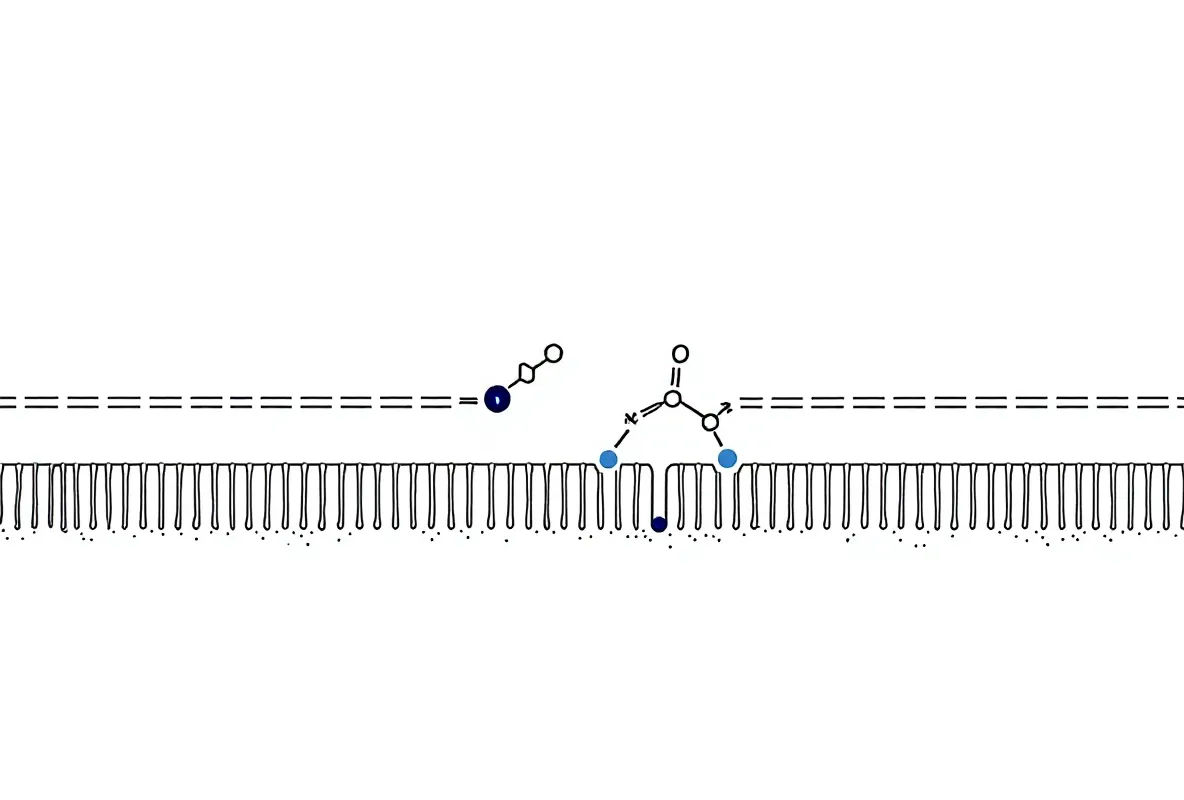
A calcium rise inside gland cells helped release growth hormone
Ipamorelin attached to the gland cells' receiving point, making stored growth hormone come out [1]. That point normally receives your hunger hormone's messages. Calcium then rose inside the cells. Calcium here helped start hormone release, rather than doing its familiar job in bone. The cells sent out their stored hormone in a brief burst.
Human blood tests found the highest growth-hormone level about 40 minutes after vein treatment [2]. About two hours later, the blood contained half the earlier amount of ipamorelin. In rats and pigs, the hormone rise resembled the older research drug's result [1]. Stress hormones changed little, even at over 200 times the ipamorelin amount that started growth-hormone release. Rat pancreas, the organ making insulin, also released insulin after ipamorelin [11]. Insulin helps move sugar from blood into cells.
Rat insulin release can't show what will happen to your blood sugar.
Ipamorelin and sermorelin use separate receptors to start hormone release
Ipamorelin vs sermorelin comes down to which receptor each one uses. Ipamorelin is a ghrelin-receptor (GHS-R1a) agonist — it copies the hunger-hormone signal to release growth hormone [1]. Sermorelin is a GHRH analog — it copies growth-hormone-releasing hormone and works through the entirely separate GHRH receptor. Because they act through different doors, their effects on growth-hormone release are complementary rather than redundant, which is why a ghrelin-receptor agonist like ipamorelin is often paired with a GHRH analog. Ipamorelin's distinguishing feature within its own class is selectivity: minimal cortisol and prolactin spillover compared with older ghrelin-receptor peptides [1]. Neither compound is FDA-approved for the uses discussed here.
Which receptor a drug uses doesn't decide access: the prescription-care catalog at mypromise.com includes the CJC-1295 and ipamorelin blend from Promise Peptides. Prescribing is underway, with a licensed U.S. clinician weighing each request; the answer can be no. Only U.S. patients enter that process, and the state and treatment shape which options are offered. FDA places ipamorelin acetate in Category 2 for 503B compounding over significant safety concerns; this compounded blend has no FDA approval.
Ipamorelin has no approval; tesamorelin is approved for one illness
Tesamorelin starts growth-hormone release by copying the natural hormone that normally starts that release [1]. Ipamorelin instead copies the hunger hormone's action on the same gland. Tesamorelin and ipamorelin use different receiving points, so the two actions can increase release together.
That added hormone release hasn't proved an improvement in your health.
Tesamorelin has approval for abnormal fat buildup in HIV-associated illness. The cause is a virus that weakens the immune system, your body's defenses against germs. That approval covers this particular use. Ipamorelin has never gained drug approval. Its Phase 2 bowel trial, which tested early signs of benefit, didn't show clear help [3]. Two drugs raising the same hormone can still have different proof of benefit.